Introduction
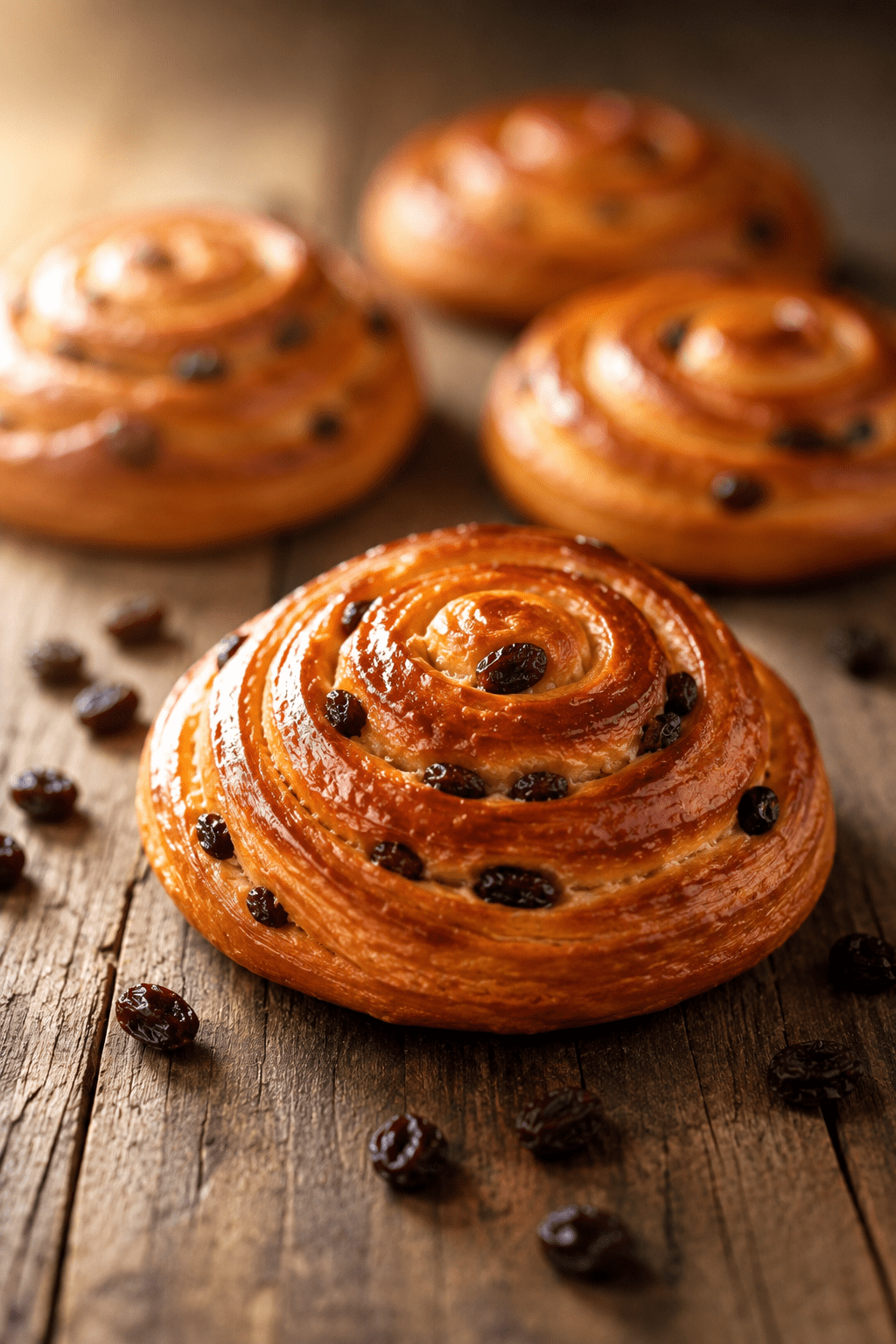
This Soft and Fluffy French Butter Brioche is incredibly tender, rich, and buttery, with a beautifully golden crust and a delicate, cloud-like interior. Made with eggs, warm milk, and plenty of butter, this classic enriched bread has the luxurious texture and subtle sweetness that make homemade brioche so irresistible.
Although brioche looks impressive, making it at home is easier than you might think. The secret is giving the dough enough time to develop and adding the softened butter gradually, allowing it to become smooth, silky, and elastic. After two rises, the dough transforms into a beautifully light loaf with a glossy golden finish. Your current recipe already follows this important butter-incorporation and double-rise method.
This homemade brioche is wonderful for breakfast, brunch, or an afternoon treat. Enjoy a warm slice with butter, jam, honey, or chocolate spread, or use leftover slices to make exceptionally rich French toast.
With its pillowy center, buttery aroma, and gorgeous golden top, this homemade French brioche bread is the kind of recipe that makes your kitchen smell like a French bakery.
Why You’ll Love This French Butter Brioche
This Soft and Fluffy French Butter Brioche has everything you want from a homemade brioche: a rich buttery flavor, a tender crumb, and a beautifully golden crust.
- Incredibly soft and fluffy: The enriched dough creates a light, pillowy interior that pulls apart beautifully.
- Rich buttery flavor: A generous amount of butter gives brioche its signature luxurious taste and texture.
- Beautiful golden crust: An egg wash creates a glossy, bakery-style finish as the loaf bakes.
- Perfect for breakfast or brunch: Serve it warm with butter, jam, honey, or your favorite spread.
- Excellent for French toast: Slightly stale brioche absorbs custard beautifully while remaining rich and tender.
- Versatile dough: Shape it into a traditional loaf, individual brioche rolls, or braided brioche.
- Worth the rising time: Most of the preparation is hands-off while the yeast does the work.
Ingredient Notes
All-purpose flour: Provides enough structure while keeping the brioche tender. For an even slightly chewier, more structured loaf, bread flour can also be used.
Active dry yeast: Gives the brioche its beautiful rise and airy texture. Make sure your yeast is fresh for reliable results.
Whole milk: Adds moisture and richness. The milk should be warm, not hot, so it activates the yeast without damaging it.
Eggs: Brioche is an enriched bread, and eggs are essential for its rich flavor, tender crumb, and beautiful golden color.
Unsalted butter: One of the most important ingredients. Use good-quality butter and make sure it is softened before gradually incorporating it into the dough.
Granulated sugar: Adds a gentle sweetness without turning the brioche into a dessert bread. It also contributes to browning.
Salt: Balances the sweetness and enhances the buttery flavor. Don’t leave it out.
Egg wash: A mixture of egg and a little milk creates the characteristic shiny, deeply golden brioche crust.
Ingredients
For the Brioche Dough
- 4 cups (500 g) all-purpose flour
- 2¼ teaspoons (7 g) active dry yeast
- ¼ cup (50 g) granulated sugar
- 1 teaspoon fine salt
- ½ cup (120 ml) whole milk, warm
- 4 large eggs, at room temperature
- ¾ cup (170 g) unsalted butter, softened and cut into small pieces
For the Egg Wash
- 1 large egg
- 1 tablespoon whole milk
Instructions
1. Activate the Yeast
Pour the warm milk into a small bowl. Add the yeast and about 1 teaspoon of the measured sugar.
Stir gently and let the mixture stand for 5–10 minutes, until slightly foamy.
The milk should be warm but not hot. Excessive heat can damage the yeast.
2. Combine the Dry Ingredients
In the bowl of a stand mixer fitted with the dough hook, combine the flour, remaining sugar, and salt.
Mix briefly to distribute the ingredients evenly.
3. Add the Eggs and Yeast Mixture
Add the eggs and activated yeast mixture to the dry ingredients.
Mix on low speed until a rough, sticky dough begins to form.
Increase to medium-low speed and knead for about 5–7 minutes, until the dough starts becoming smoother and more elastic.
4. Gradually Add the Butter
With the mixer running on low speed, add the softened butter a few pieces at a time.
Wait until each addition is mostly incorporated before adding more.
At first, the dough may look greasy or separated. Continue kneading and it will gradually come back together.
5. Knead Until Smooth and Elastic
Once all the butter has been incorporated, knead on medium-low speed for another 8–12 minutes.
The finished dough should be smooth, glossy, stretchy, and slightly tacky.
To check the dough, gently stretch a small piece between your fingers. It should become thin enough to let light through without tearing immediately. This is known as the windowpane test.
Avoid adding excessive flour simply because brioche dough feels softer and stickier than ordinary bread dough.
6. First Rise
Shape the dough gently into a ball and place it in a lightly greased bowl.
Cover and let rise in a warm, draft-free place for approximately 1½ hours, or until noticeably expanded and close to doubled in size.
7. Shape the Brioche
Gently press the risen dough to release large air bubbles.
Divide it into 3 or 4 equal portions and shape each piece into a smooth ball.
Arrange the balls side by side in a greased 9 × 5-inch loaf pan.
This creates the beautiful rounded top commonly associated with brioche loaves.
8. Second Rise
Cover the loaf loosely and let it rise for another 45–60 minutes, or until the dough looks very puffy and rises close to the top of the pan.
Avoid letting it overproof, as this can cause the brioche to collapse during baking.
9. Add the Egg Wash
Preheat the oven to 350°F (175°C).
Whisk together the egg and 1 tablespoon of milk.
Very gently brush the mixture over the risen brioche, being careful not to deflate the dough.
10. Bake
Bake for 30–35 minutes, until the brioche is deeply golden brown on top.
If the top browns too quickly, loosely cover it with aluminum foil during the final 10 minutes.
The center should reach approximately 190°F (88°C) when checked with an instant-read thermometer.
11. Cool
Let the brioche cool in the pan for about 10 minutes, then carefully transfer it to a wire rack.
Allow it to cool for at least 30 minutes before slicing so the delicate interior has time to set.
Tips for Perfect French Brioche
Use room-temperature eggs. Cold eggs can make it harder for the butter to incorporate evenly into the dough.
Keep the milk warm, not hot. Aim for approximately 100–110°F (38–43°C) when activating active dry yeast.
Add the butter gradually. This is one of the most important steps. Adding all the butter at once can make it difficult for the dough to develop properly.
Don’t add too much flour. Brioche dough is naturally soft and slightly sticky. Adding excessive flour can produce a dry, dense loaf instead of a tender, fluffy one.
Knead it long enough. The dough needs good gluten development to support all the eggs and butter. Look for a smooth, glossy dough that passes the windowpane test.
Watch the dough, not just the clock. Rising times can vary depending on room temperature. The dough should look noticeably expanded and airy before moving to the next step.
Don’t overproof. If the second rise goes too far, the brioche may rise dramatically and then collapse during baking.
Protect the golden crust. Brioche contains eggs, butter, and sugar, so it browns relatively quickly. Cover the top loosely with foil if it becomes too dark before the center is fully baked.
Variations
Chocolate Chip Brioche
Fold about ¾ cup mini chocolate chips into the dough after the butter has been fully incorporated. This makes an especially delicious breakfast brioche.
Orange Brioche
Add 1 tablespoon finely grated orange zest to the dough for a subtle citrus aroma.
Vanilla Brioche
Add 1 teaspoon pure vanilla extract with the eggs for a slightly sweeter, more aromatic loaf.
Braided Brioche
Divide the dough into three equal pieces, roll them into ropes, and braid them before the second rise. Bake on a parchment-lined baking sheet or place the braid inside a loaf pan.
Individual Brioche Rolls
Divide the dough into smaller portions and shape them into individual rolls. Because they’re smaller, begin checking them earlier during baking.
Serving Suggestions
Serve fresh brioche:
- Warm with salted butter
- With strawberry or raspberry jam
- With honey
- With chocolate-hazelnut spread
- Alongside coffee or tea
- As part of a brunch spread
- Toasted with butter
- With fresh berries and whipped cream
Slightly stale brioche is also perfect for French toast, bread pudding, or baked breakfast casseroles.
Storage
Once completely cool, store the brioche tightly wrapped or in an airtight container at room temperature for up to 3 days.
Avoid refrigerating brioche unless necessary because refrigeration can make bread become stale more quickly.
To refresh a slice, warm it briefly in the oven or toast it lightly before serving.
Freezing
Brioche freezes very well.
Allow the loaf to cool completely, then wrap it tightly and place it in a freezer-safe bag or container. Freeze for up to 2 months.
You can also slice the brioche before freezing and separate the slices with parchment paper. This makes it easy to remove only what you need.
Thaw at room temperature and warm gently before serving for a softer, fresher texture.
Frequently Asked Questions
Why is my brioche not fluffy?
Dense brioche is often caused by insufficient kneading, inactive yeast, adding too much flour, or not allowing the dough enough time to rise. The dough should become smooth, elastic, and well developed before the first rise.
Why is brioche dough so sticky?
Brioche is an enriched dough containing eggs and a generous amount of butter, so it is naturally softer and stickier than standard bread dough. Avoid adding large amounts of extra flour. With sufficient kneading, the dough should become smoother and easier to handle.
Can I make brioche without a stand mixer?
Yes, although it requires more patience. Knead the dough by hand and incorporate the softened butter gradually. Because brioche dough is sticky, resist the temptation to continually add flour.
Can I prepare brioche dough overnight?
Yes. After kneading, cover the dough and refrigerate it overnight for a slow first rise. The cold dough will also be firmer and easier to shape the next morning. Shape it, allow it to complete its final rise, then bake as directed.
How do I know when brioche is fully baked?
The top should be deeply golden and the loaf should feel light for its size. For greater accuracy, the center should reach approximately 190°F (88°C).
Why did my brioche collapse?
The dough may have been overproofed during the final rise. Allow it to become noticeably puffy, but don’t wait until it becomes extremely fragile or begins spilling over the pan.
Can I use bread flour instead of all-purpose flour?
Yes. Bread flour can give the brioche slightly more structure and chew, while all-purpose flour creates a particularly tender crumb.
Conclusion
This Soft and Fluffy French Butter Brioche is everything homemade brioche should be: deeply golden on the outside, incredibly tender inside, and filled with rich buttery flavor.
The dough does require patience, especially when incorporating the butter and waiting for the two rises, but the result is a beautifully soft, bakery-style loaf that pulls apart into delicate, fluffy strands.
Serve it fresh for breakfast or brunch with butter and jam, toast a slice for an afternoon treat, or save a few pieces for luxurious French toast the next morning.
 Lea recipes
Leave a comment